General Hospital
General Hospital’s Liesl Obrecht Went From Genuine Monster to Fan Favorite, and She Never Once Got Declawed to Do It
Liesl Obrecht went from GH monster to fan favorite without ever getting declawed. We break down how she stayed dangerous and got beloved.

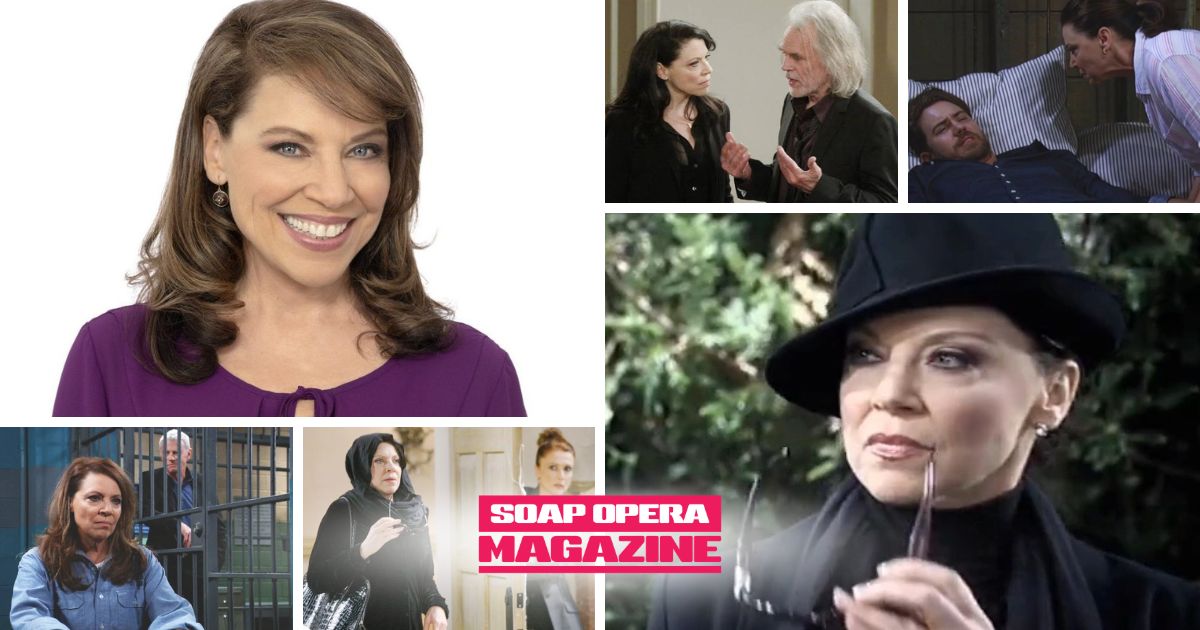

LIESL OBRECHT IS THE RARE VILLAIN GH MADE LOVABLE WITHOUT MAKING HER SAFE
TL;DR: Liesl Obrecht arrived on General Hospital in 2012 as a true monster, a kidnapper, a poisoner, the woman who killed Duke Lavery with a beer meant for Anna. More than a decade later she is one of the show’s most beloved characters, and the remarkable thing is that GH never sanded down her menace to get there. We are breaking down how she became hilarious and adored while staying genuinely dangerous.
The Monster She Started As
Let us be clear-eyed about where Obrecht began, because the redemption only lands if you remember the body count. She debuted in 2012 as Cesar Faison’s accomplice, helping hold Robin Scorpio-Drake captive in a Swiss clinic and injecting Robert Scorpio with a neurotoxin that dropped him into a coma. She faked a paternity test to trap Patrick. She knocked her own daughter unconscious and kidnapped baby Ben. And in her signature atrocity, she poisoned a bottle of beer meant for Anna Devane out of decades-old jealousy, and watched Duke Lavery drink it and die.
This was not a misunderstood antiheroine. This was a fully operational villain, a woman who schemed, kidnapped, and killed, and felt righteous doing it. Any honest accounting of early Liesl reads like a rap sheet, because it was one.
The Trick Most Shows Get Wrong
Here is where most soaps fumble a villain’s evolution. To make a baddie likable, they declaw them. They explain away the crimes, soften the edges, hand them a tragic backstory that excuses everything, and what is left is a defanged shadow who used to be interesting. The menace was the appeal, and the menace gets surgically removed in the name of redemption.
GH did the opposite with Liesl, and that is the whole genius of it. They never asked us to forget what she did or pretend she was secretly harmless all along. They let her stay sharp, imperious, and entirely capable of violence, and they simply let us spend enough time with her to fall for the magnificent monster underneath. The accent, the withering put-downs, the operatic self-regard, those were always there. The show just turned up the volume on her wit without turning down her threat.
Love Was the Lever, Not the Lobotomy
So how did the turn actually happen? Through family, not through softening. Watch the throughline. The grief that gutted her when Nathan went missing. The ferocity with which she has always defended Britt. The way she donated her own bone marrow to save her great-niece Willow’s life in 2023. These moments did not erase her crimes. They added a second truth alongside them: this terrifying woman loves her people without limit, and that love makes her even more dangerous, not less.
That is the masterstroke. Obrecht’s devotion is not a counterweight to her menace. It is the engine of it. She will burn down the world for her children, and the show lets her be both the loving matriarch and the woman you would never want as an enemy. Affection did not replace the threat. It weaponized it.
Still Dangerous, Right Now
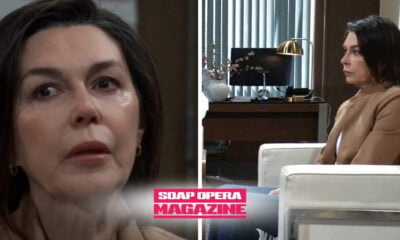
If you doubt the menace survived intact, look at the present canvas. Drugged and kidnapped by Cullum and dragged to Josslyn’s holding cell, Liesl is not a damsel. She is calculating cold fusion timelines, plotting how to stall, protecting her newly revealed son Cassius while refusing to be anyone’s pawn. And when Cassius tricked her into believing he was her dead son Nathan, she hauled off and backhanded him so hard she nearly toppled over. Beloved, yes. Funny, absolutely. Safe? Never.
That is the proof the evolution worked. Fourteen years after she poisoned Duke, Liesl can still walk into a scene and make you laugh, break your heart, and remind you she is the most formidable person in the room, often all at once.
Our Take
We think Liesl is one of the best-executed character evolutions in modern daytime, precisely because GH refused the easy path. They did not redeem her by making her harmless. They made her beloved by trusting us to adore a woman who is still, gloriously, a little bit terrifying. The monster never left. The show just let us see the whole magnificent creature, and we fell in love with every dangerous inch of her.
Got a favorite Liesl moment that proves she is still got it, or a take on her best era? We want it. Send your thoughts to amber@soapoperamagazine.com and the best ones might headline our next piece!
Monster or Marvel?
Is Obrecht GH’s best villain-turned-fan-favorite, or do you still see the monster first? And has she actually softened, or just gotten funnier about being dangerous? Head on over to our Facebook page and drop your verdict, let’s hash it out.